
Austin, Texas · work & careers
Build a career in a city that keeps hiring
Austin runs on more than one engine, chip fabs and software downtown, the Capitol and the university a few blocks apart, hospitals filling out the north, and a music-and-service economy that never clocks out. Here's the honest guide to working here, and to building something that lasts.
Where things stand
A job market that cooled without collapsing
For a decade Austin was the place everyone was moving to, and the hiring followed. The frantic part of that has passed. The pandemic-era bidding wars for engineers have calmed, a few big employers have trimmed, and the market now asks more of candidates than it did in 2021 — a sharper resume, a real reason you want the role, patience through a longer interview loop.
No state income tax TexasChips & software downtown + northGovernment & university steadyService & music always on
What hasn't changed is the breadth. When one sector slows, another is usually still staffing up, and a worker here rarely has only one industry to fall back on. That diversity, tech alongside government, healthcare, manufacturing and hospitality, is what makes Austin a steadier place to build a career than its boom-town reputation suggests.
What drives the economy
The industries that do the hiring
Technology & semiconductors
Software, chips and hardware anchor the private economy, from semiconductor fabs north and east of town to the software and product teams clustered downtown and in the northwest corridor. It is the sector that built Austin's reputation, and still the one with the deepest bench of openings.
Government & education
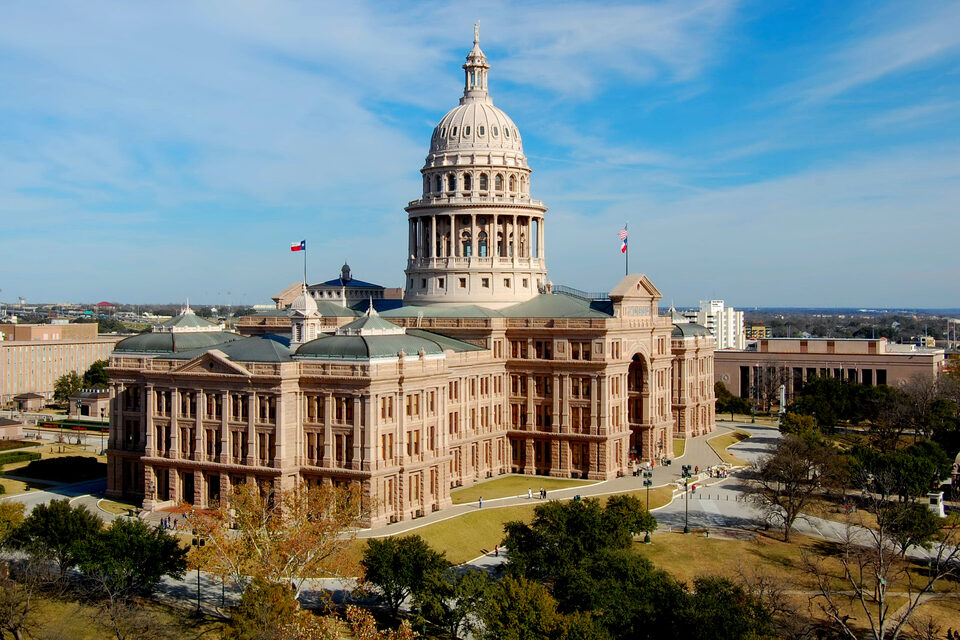
The State of Texas and the University of Texas are two of the largest employers in the region, and they barely flinch when the private market wobbles. Add the City, the county, the school districts and the federal offices downtown, and public-sector work is the quiet backbone of the local job base.
Healthcare & life science
A medical school, a growing hospital network and a cluster of life-science and device companies have turned healthcare into one of the fastest-expanding parts of the economy, steady demand for clinical staff, and a rising number of research and biotech roles alongside them.
And then there is the fourth engine that gives the city its character: the music, food and service economy. The venues, kitchens, festivals and hotels employ tens of thousands, run on a rhythm the office jobs don't, and are a real path into the city for people who arrive without a tech resume.
The startup layer
A culture that still bets on new companies
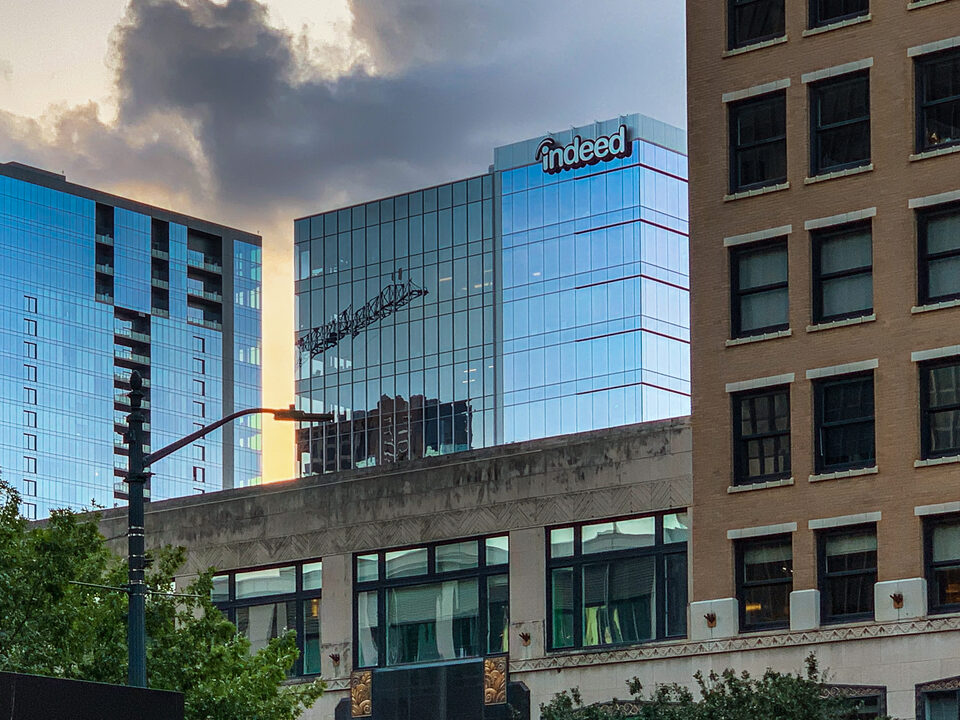
Austin's startup scene is small enough to know itself and big enough to matter. Accelerators, coworking floors and a steady flow of venture money mean there's always a young company hiring its first dozen people, higher risk than a seat at one of the majors, but often the fastest way to take on responsibility years ahead of schedule. The downtown hubs are where those teams meet, pitch and poach.

The steady anchors
The employers that don't lay off at the first tremor
Every tech town needs a floor under it, and Austin's is unusually solid. The Capitol complex, the university, the hospitals and the big federal offices hire through the cycles that rattle private payrolls. For a lot of people the smart Austin career isn't a pure tech bet or a pure public-sector one, it's knowing both exist, and moving between them as the market turns.
The long game
How a career actually builds here
Landing a job is one thing; growing one is another. Four things worth knowing before you plant yourself in Austin.
The scene is smaller than it looks
Downtown runs on who-knows-whom. Meetups, demo nights and coworking floors do more hiring than the job boards. Show up in person early, the second job in Austin is usually easier to get than the first.
Keep a foot in two industries
Tech pays the most and wobbles the most. Pairing a private-sector skill with a toehold in government, healthcare or education is how people here ride out a slow hiring year without leaving town.
Do the real cost-of-living math
No state income tax is a genuine raise on paper, but property taxes, insurance and rent eat into it. Run the whole number before you accept an offer, the headline salary isn't the take-home story.
Follow who's expanding
Announcements of new campuses, fabs and headquarters are leading indicators of where the hiring goes next. We track the moves so you can aim a job search a quarter or two ahead of the crowd.
Where the work happens
Remote, hybrid, or back at a desk
Austin became a magnet for remote workers during the move-everything-online years, and a lot of that stuck, the time zone works for coast-to-coast teams, and the airport makes a fly-in schedule livable. But the pendulum has swung back toward the office, especially at the bigger employers, and plenty of roles that advertised "remote" in 2021 now mean hybrid in practice. Read the fine print, and ask where the team actually sits before you sign.
From the news desk
Latest on working in Austin
We follow hiring, the big employer moves, and the shape of the local economy so you don't have to. A few places to dig in:
The Highway 71 east corridor
The employer map east of town, from the aerospace plants out toward Bastrop and Cedar Creek, with drive times from the far side of the metro.
Hiring & employer moves
New campuses, expansions and the occasional contraction, the announcements that tell you where the jobs are heading next.
Tools for the search
Where to look, how to research an employer before you apply, and the public data that tells you what a role should really pay.

Your next move
Make Austin work for you
The industries, the anchors, and the honest trade-offs of building a career here, in one place, kept current. Start with the questions most people ask first.